

CHINA RELEASES STANDARDS FOR SECURITY MANAGEMENT OF PERSONAL INFORMATION – CCTV
(The article has been published through a syndicated feed. Except for the headline, the content has been published verbatim. Liability lies with original publisher.)


CHINA RELEASES STANDARDS FOR SECURITY MANAGEMENT OF PERSONAL INFORMATION – CCTV
(The article has been published through a syndicated feed. Except for the headline, the content has been published verbatim. Liability lies with original publisher.)
VIDEO SHOWS: POST-MATCH PRESS CONFERENCE COMMENTS FROM INDIA CAPTAIN SURYAKUMAR YADAV AFTER VICTORY OVER PAKISTAN IN ASIA CUP FINAL/STILL IMAGES FROM MATCH SHOWS: DUBAI, UAE (SEPTEMBER 28, 2025) (ANI – No use India) TO FOLLOW STORY: India captain Suryakumar Yadav said his side had been denied the chance to hoist the Asia Cup trophy on Sunday (September 28) after it was removed from the presentation ceremony following their refusal to accept it from Pakistan's interior minister Mohsin Naqvi. India beat Pakistan by five wickets in the final at Dubai International Stadium with emotions running high between the sides following a brief military conflict between the nuclear-armed neighbours in May. The teams met three times at the tournament, with Indian players refusing to shake hands with their opponents throughout, and Sunday's final ended in bizarre circumstances with India celebrating their win by hoisting an imaginary trophy. "I think this is one thing which I've never seen since I started playing cricket and started following cricket, that a champion team is denied a trophy, and that too a hard-earned one," Suryakumar told reporters. "I feel we deserved it. I can't say anything more, I've summed it up really well. "My trophies are sitting in the dressing room, all the 14 guys with me, the support staff, those are the real trophies throughout this journey in the Asia Cup." Indian batsman Tilak Varma anchored his team's chase with an unbeaten 69 in reply to Pakistan's 146 all out but the action on the field was overshadowed by the drama off it. The start of the presentation ceremony was delayed by more than an hour and then cut short just before the winner's trophy was to be handed out with Naqvi among those left waiting on the dais. Indian cricket board (BCCI) secretary Devajit Saikia confirmed their players had refused to accept the trophy from Asian Cricket Council President Naqvi, who is also the chairman of the Pakistan Cricket Board. Local media reported that organisers left the ceremony with the trophy. Reuters has contacted the Asian Cricket Council for comment. Suryakumar, who was later pictured picking up an imaginary trophy to celebrate with his team mates on the dais, said all that mattered was that India were champions once again. "The win is important. If you saw after the match, 'India' was written on the big screen. 'Asia Cup 2025 Champions' … what's better than this? You play for that," he said. "It was a great moment. Great journey. Great campaign for us as a team. We had a lot of fun." Pakistan captain Salman Agha said India had disrespected cricket. "What India have done in this tournament is disappointing," Agha said. "They're not disrespecting us by not shaking hands, they're disrespecting cricket. Good teams don't do what they did today. We went to pose with the trophy on our own because we wanted to fulfil our obligations. We stood there and took our medals. "I don't want to use harsh words but they've been very disrespectful." (Production: Aadi Nair)
(The article has been published through a syndicated feed. Except for the headline, the content has been published verbatim. Liability lies with original publisher.)
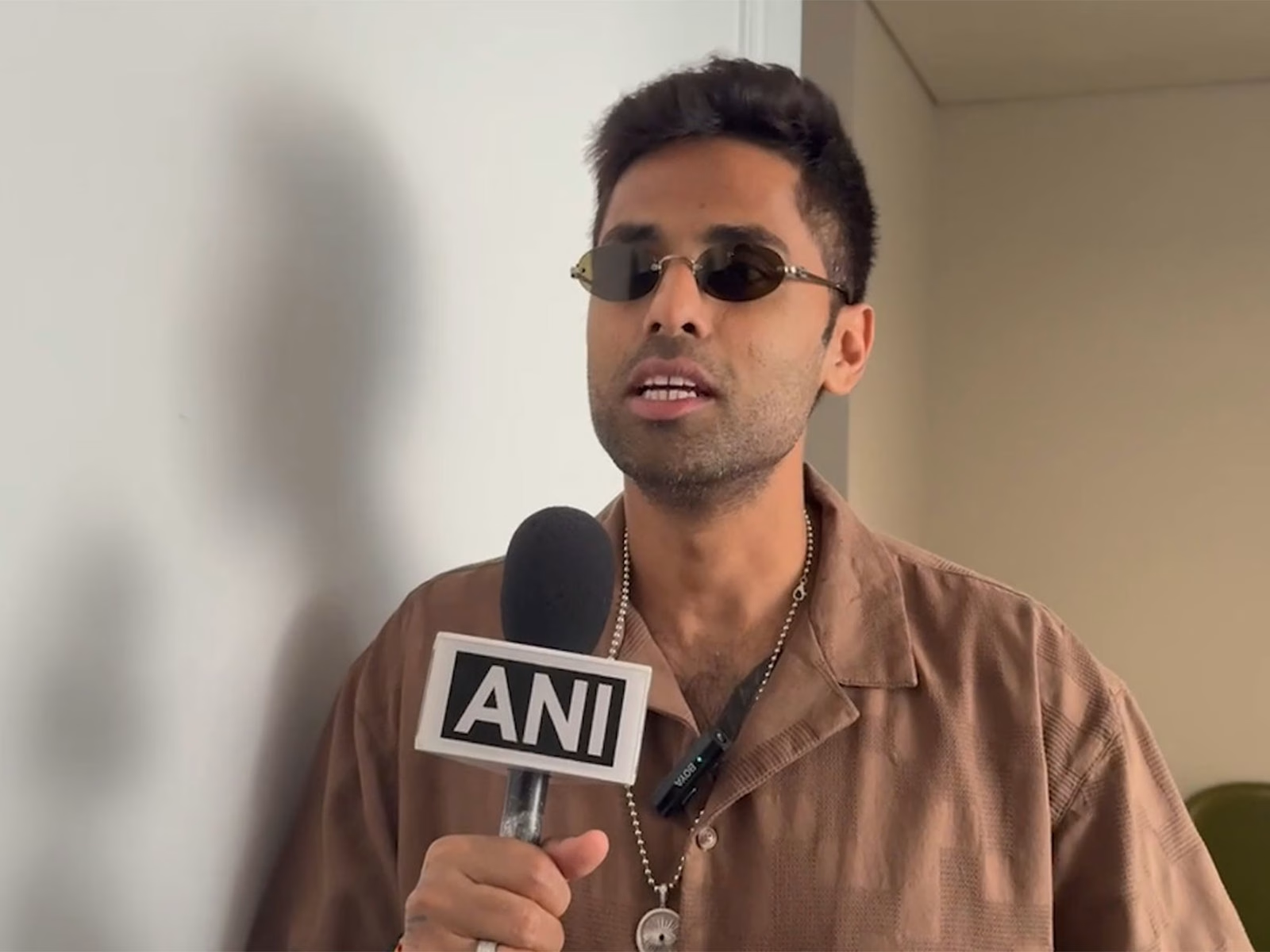
Dubai [UAE], September 29 (ANI): Men in Blue T20I skipper Suryakumar Yadav hailed Prime Minister Narendra Modi’s support and enthusiasm after Team India won their 9th Asia Cup trophy, trouncing Pakistan three times in the tournament, walking away with the title with a five-wicket win in the Asia Cup final in Dubai on Sunday.
After India won the Asia Cup final against Pakistan with a score of 150/5 against Pakistan’s 146/10, PM Modi, in a post on X, referenced “Operation Sindoor on the games field”, likening India’s win to the military operation launched in response to the Pahalgam terror attack.
PM Modi applauded India’s famous win, saying, “Operation Sindoor on the games field. Outcome is the same – India wins! Congrats to our cricketers.”
Speaking with ANI, Suryakumar Yadav, appreciating PM Modi’s support, said, “It feels good when the country’s leader himself bats on the front foot; it felt like he took the strike and scored runs.”
He expressed his admiration for PM Modi’s leadership, saying the players felt motivated and played freely with the country’s leader supporting them.
“Operation Sindoor on the games field. It feels good when the country’s leader himself bats on the front foot; it felt like he took the strike and scored runs. It was great to see, and when the sir is standing in front, then definitely the players will play freely,” said the skipper.
“The most important thing is that the whole country is celebrating. When we go back (to India), it will feel good, and we will get more inspiration and motivation to do well,” he added.
India’s thrilling Asia Cup victory over Pakistan took an unexpected turn when the team refused to accept the trophy from Asian Cricket Council Chairman Mohsin Naqvi, who is also the Pakistan Cricket Board chairman. Despite winning the tournament, Indian players celebrated without the trophy, instead posing with imaginary trophies on stage.
Captain Suryakumar Yadav later expressed disappointment, saying, “I feel we deserved it. I’ve never seen a champion team denied a trophy”. The BCCI had previously informed the ACC that India wouldn’t accept the trophy from Naqvi due to his political role and anti-India remarks.
Earlier in the day, Pakistan Cricket Board (PCB) Chief and the country’s Interior Minister, Mohsin Naqvi, who humiliated himself on the world stage when he walked off with the Asia Cup trophy after India refused to accept it from his hands, is now claiming that India has disgraced the spirit of the game.
Singed by a resounding defeat at the hands of India, PCB Chief Mohsin Naqvi, whose X account is withheld in India, responded on the microblogging platform to Prime Minister Narendra Modi’s congratulatory post after the game.
“If war were your measure of pride, history already records your humiliating defeats at Pakistan’s hands. No cricket match can rewrite that truth. Dragging war into sport only exposes desperation and disgraces the very spirit of the game,” said Naqvi.
Naqvi’s lack of understanding of history and facts is clearly exposed, and he needs a stern reminder of the number of times Pakistan has had to bow before Indian superiority during conflicts. Starting from 1971, when Lieutenant General AAK Niazi, commander of Pakistani forces, signed the Instrument of Surrender to the Indian Army, marking the end of the war, to the Kargil Conflict, where former PM Nawaz Sharif admitted that they were at fault for violating the Lahore declaration.
And then Operation Sindoor, where Indian forces first decimated as many as nine terror sites, and then as Pakistan began its misadventure, the Armed forces attacked with force, leaving many air bases like Nur Khan destroyed.
Meanwhile, on the field, India trounced Pakistan as many times and walked away with the title with a five-wicket win in the Asia Cup final in Dubai on Sunday.
Even after the final, drama continued to unfold off the field, with the post-match presentation being delayed by 90 minutes. Eventually, the presentation began, and the India players turned up to collect the individual awards.
During the entire ceremony, Naqvi and the Pakistan players were booed by the Indian fans present at the venue. Kuldeep Yadav, Abhishek Sharma and Tilak Varma received their individual awards from other dignitaries on stage, while Salman accepted the runners-up cheque from PCB chairman Mohsin Naqvi. The Indian players did not acknowledge Naqvi.
The ACC chairman didn’t applaud the Indian players who came up to receive their personal accolades. (ANI)
(The article has been published through a syndicated feed. Except for the headline, the content has been published verbatim. Liability lies with original publisher.)

VMPL
Rajkot (Gujarat) [India], September 29: Umiya Mobile Limited (BSE – SME: 544464), one of the fastest-growing multi-brand mobile and consumer electronics retail chains with a strong presence across Tier 2 and Tier 3 markets, the company is a prominent player in smartphones, mobile accessories, and consumer electronics. It operates under two brands, UMIYA MOBILE and MYPHONE, and has earned strong customer trust through its wide-ranging portfolio of products from leading global brands.
Store Developments
Operated 219 stores, as per the company’s Prospectus (July 2025), comprising:
* 149 in Gujarat
* 69 in Maharashtra
* 1 in Dadra & Nagar Haveli and Daman & Diu – spread across 44 cities.
Revised Store Network (as on September 26, 2025):
* 255 stores across Gujarat, Maharashtra & Union Territory
Total Announced / Opened Post IPO:
* 36 stores (15 opened + 3 proposed earlier + 1 upcoming in Madhya Pradesh + 17 newly proposed)
Post IPO Expansion Highlights:
* 26 Sep 2025 – Proposed 17 new retail stores across Gujarat and Maharashtra
* 24 Sep 2025 – Announced entry into Madhya Pradesh with an upcoming owned retail store in Indore
* 22 Sep 2025 – Opened exclusive Vivo Mobile store at Mansata Chowk, Rajkot
* 15 Sep 2025 – Proposed 3 new stores in Gujarat (2 in Botad, 1 in Dhangadhara)
* 08 Sep 2025 – Opened 3 stores (Dwarka, Patan, Sakri – Nashik)
* 04 Sep 2025 – Opened 2 new stores across Gujarat & Maharashtra
* 31 Aug 2025 – Opened 4 new stores (Ahmedabad, Deesa, Nashik, Nagpur)
* 12 Aug 2025 – Opened 5 new stores across Maharashtra & Gujarat
Management Perspective
Commenting on the expansion, Mr. Jadwani Kishorbhai Premjibhai, Managing Director, said: “We are delighted with the pace of expansion achieved in the months following our IPO. The addition of 36 stores, including our planned entry into Madhya Pradesh and the newly proposed 17 stores, underlines Umiya Mobile’s ability to execute growth strategies with speed and precision. This momentum not only enhances our leadership in Tier 2 and Tier 3 markets but also reinforces our vision of becoming one of the most accessible and trusted consumer electronics retailers in the country.”
About Umiya Mobile Limited
Established in 2012, Umiya Mobile Limited has grown into a leading multi-brand retail player in smartphones, mobile accessories, and consumer electronics. The company operates under two brands, UMIYA MOBILE and MYPHONE, and has earned strong customer trust through its extensive portfolio of products from globally renowned brands.
Its product offerings include the latest smartphones from Apple, Samsung, Realme, Xiaomi, Oppo, Vivo, Motorola, Google Pixel, and Infinix, along with a wide range of consumer durables such as smart TVs, air conditioners, refrigerators, and coolers from leading names including Sony, LG, Panasonic, and Godrej.
For FY25, the company reported total revenue of approximately ₹601.17 crore, EBITDA of ₹10.94 crore, and PAT of ₹5.66 crore.
Disclaimer
This document contains forward-looking statements, which are not historical facts and are subject to risks and uncertainties such as government actions, local developments, and technological risks. The Company is not responsible for any actions taken based on these statements and does not commit to publicly updating them to reflect future events or circumstances.
(ADVERTORIAL DISCLAIMER: The above press release has been provided by VMPL. ANI will not be responsible in any way for the content of the same)
(The article has been published through a syndicated feed. Except for the headline, the content has been published verbatim. Liability lies with original publisher.)
BEIJING (Reuters) -Chinese AI developer DeepSeek has released its "experimental" latest model, which it said was more efficient to train and better at processing long sequences of text than previous iterations of its large language models. The Hangzhou-based company called DeepSeek-V3.2-Exp an "intermediate step toward our next-generation architecture" in a post on developer forum Hugging Face. That architecture will likely be DeepSeek's most important product release since V3 and R1 shocked Silicon Valley and tech investors outside China. The V3.2-Exp model includes a mechanism called DeepSeek Sparse Attention, which the Chinese firm says can cut computing costs and boost some types of model performance. DeepSeek said in a post on X on Monday that it is cutting API prices by "50%+". While DeepSeek's next-generation architecture is unlikely to roil markets as previous versions did in January, it could still put significant pressure on domestic rivals like Alibaba's Qwen and U.S. counterparts like OpenAI if it can repeat the success of DeepSeek R1 and V3. That would require it to demonstrate high capability for a fraction of what competitors charge and spend in model training. (Reporting by Eduardo Baptista and Beijing Newsroom; Editing by Toby Chopra and Jan Harvey)
(The article has been published through a syndicated feed. Except for the headline, the content has been published verbatim. Liability lies with original publisher.)
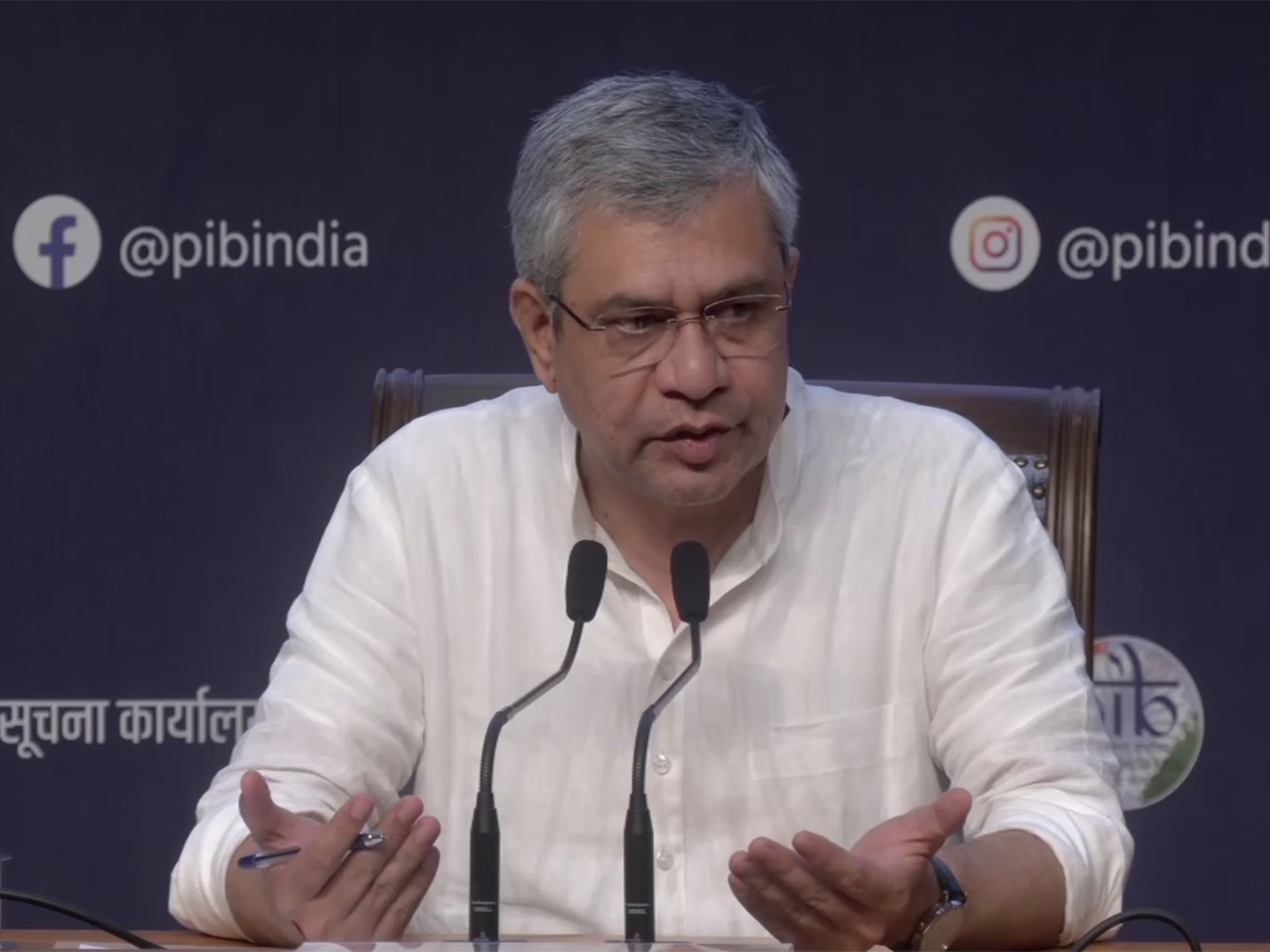
New Delhi [India], September 29 (ANI): Union Railways Minister Ashwini Vaishnaw on Monday highlighted the scope and importance of the India-Bhutan rail connectivity project, describing it as central to Bhutan’s economic growth and global access.
“This project is basically connecting two very important cities of Bhutan. One is Gelephu, which is being developed as a mindfulness city. And secondly, Samtse, which is an industrial city,” Vaishnaw said.
He explained the project structure, noting, “The two projects will take off from the network of Indian Railways at Kokrajhar and Banarhat. The investment which is envisaged at this point in time is about Rs 4033 crore, and the total length is about 90 kilometres to be precise. 89 kilometres of railway network will be created.”
Highlighting trade linkages, Vaishnaw added, “India is the largest trading partner of Bhutan and most of the exempt trade of Bhutan is done through Indian ports. Therefore, it becomes very important to have a good seamless rail connectivity for the Bhutanese economy to grow and for the people to have better access to the global network. That’s why this entire project has been undertaken…”
Foreign Secretary Vikram Misri, also addressing the briefing, underlined the bilateral significance of the new rail links.
“…These links that are being worked on will be critical for enhancing cargo and passenger movement. So it is in the context of this very special relationship that the two governments have agreed to establish two cross-border rail links between Banarhat and Samtse and Kokrajhar and Gelephu. This will be the first set of rail connectivity projects with Bhutan,” Misri said.
He recalled the agreements that paved the way for the projects. “The memorandum of understanding for this connectivity was actually signed during the visit of the Prime Minister to Bhutan that I mentioned a short while ago, the one that took place last year. And this MoU will be formally signed later today in New Delhi on the occasion of the visit of the Bhutanese Foreign Secretary to New Delhi.”
The joint press conference was addressed by Union Railways Minister Ashwini Vaishnaw and Foreign Secretary Vikram Misri in Delhi on the launch of new railway projects between India and Bhutan. (ANI)
The article has been published through a syndicated feed. Except for the headline, the content has been published verbatim. Liability lies with original publisher.
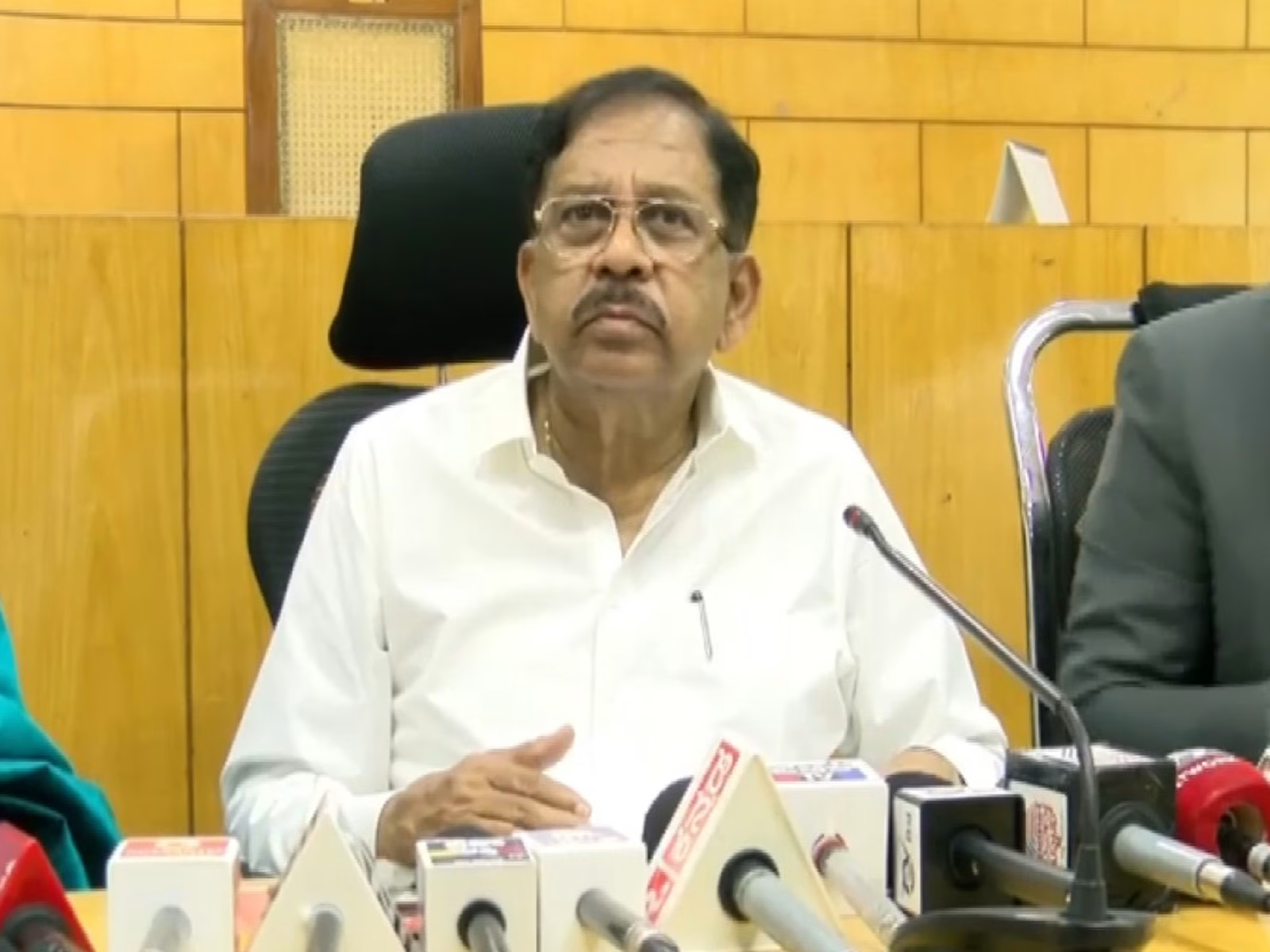
Tumkur (Karnataka) [India], September 29 (ANI): Exactly a week after the Socio-Economic and Education Survey began, Karnataka Home Minister G Parameshwara on Monday informed that 1,59,555 (1.59 lakh) houses out of the 7,55,483 (7.55 lakh) in the Tumkur district have been surveyed till now. He said that the caste survey in the district was being carried out “without any worries”.
“The survey has already started in the entire state. There are 122,085 blocks in the entire state. We have specially appointed school teachers in those blocks. There are 6,544 blocks in the Tumkur district with 7,55,483 houses, and 1,59,555 have already been completed,” Parameshwara said while addressing a press conference here.
The Socio-Economic and Education Survey, popularly known as the caste census or survey, is being conducted by the Karnataka State Commission for Backward Classes. Chairperson Madhusudhan R Naik is heading the commission.
The Karnataka Home Minister stated that authorities have set a target to survey 50,000 houses per day, for which 6,537 people have been appointed to carry out duties in the Tumkur district.
“A target of 50,000 houses has been set for every day. The census is being conducted rapidly, with updates being taken every hour. A total of 6,537 people have been appointed for duty in the district. The social and educational census is being conducted in the district without any worries,” Parameshwara said.
On September 12, Karnataka Chief Minister Siddaramaiah announced a caste survey initiative aimed at understanding the socio-educational status of the state’s population. The survey, led by Madhusudan Naik, along with five members, will cover approximately seven crore people.
The Madhusudan Commission’s survey is scheduled to be completed between September 22 and October 7, 2025.
The initiative aims to inform policies and interventions addressing social and educational disparities.
In June of this year, Siddaramaiah announced the initiation of a new socio-educational survey, stating that it was necessary to conduct a fresh survey in accordance with the law.
Prior to this, in October 2024, the Karnataka government had decided to establish a one-person commission to provide advice on implementing internal reservation for scheduled castes. A cabinet decision led to the formation of the commission, headed by a retired High Court judge, which was tasked with reviewing the data before making its next decision.
The commission was instructed to submit a report within three months. The decision to establish the commission was made against the backdrop of the Supreme Court’s ruling to grant internal reservation to the Scheduled Castes. (ANI)
The article has been published through a syndicated feed. Except for the headline, the content has been published verbatim. Liability lies with original publisher.
A new study in the US reveals a troubling rise in advanced liver disease among heavy drinkers. Surprisingly, this increase isn’t due to more drinking. Could this be a wake-up call to rethink drinking guidelines and improve screening methods? Los Angeles (tca/dpa) – Serious liver disease is becoming more common among Americans who drink heavily, according to a recent study from Keck Medicine of USC in the US state of California. It's not that more people are partying with alcohol. And it's not that the drinkers are having more drinks. It's that more of the people who drink regularly are becoming sick. Over the last two decades, the share of heavy drinkers who have advanced liver scarring jumped from 1.8% to 4.3%. For women, more than 1.5 drinks per night, on average, is considered heavy drinking. For men, it's 2 drinks. "The fact that the risk not only increased but that it more than doubled — almost tripled — is really astonishing," said Dr. Brian P. Lee , a liver transplant specialist at Keck Medicine of USC and lead author on the study. It was published in the journalClinical Gastroenterology and Hepatology in July. Lee said he thinks patients might dramatically change their thinking and behavior if they had this information. The increase in illness was seen especially in women, older people and those with conditions like obesity or diabetes. Three USC researchers analyzed national health data from more than 44,000 adults surveyed between 1999 and 2020 in a well-known national heath study known as NHANES. Of those, 2,474 were heavy drinkers according to the definition of the National Institute on Alcohol Abuse and Alcoholism — 20 grams of alcohol per day for women and 30 grams for men, roughly the equivalent of 1.5 and 2 drinks. They found a more than twofold increase over the two decades in significant liver fibrosis, a condition where healthy liver tissue is replaced by stiff, fibrous tissue — like a sponge hardening into leather. If left unchecked, this can eventually lead to liver failure or cancer. By comparison, non-heavy drinkers saw a much smaller increase, from 0.8% to 1.4% over the same period. This rise in liver damage is especially troubling because many people don't realize anything is wrong until the disease is advanced. "Liver disease is silent," Lee said. "Most people won't, even if they have [advanced liver scarring], have any symptoms at all." Drinking patterns did not change much over the study period. But the health profiles of heavy drinkers did. Rates of metabolic syndrome — a cluster of conditions including obesity, diabetes, and high blood pressure — increased from 26% of people, to nearly 38%. Demographics shifted too: heavy drinkers became more likely to be women, people over the age of 45, and those living in poverty. "We're showing with this study that the picture of the American drinker is changing dramatically," Lee said. "You have more women who are drinking heavily, more ethnic minorities who are drinking heavily, and these are groups that are known to have a higher sensitivity to alcohol in causing liver damage." Other factors may also be at play, said Dr. Sammy Saab , medical director of the Pfleger Liver Institute at UCLA , who was not involved in the study. People could be consuming different types of drinks, or at different times. "Have we moved away from beer, wine, to hard cocktails? Have we moved away from drinking with food, where the food absorbs some of the alcohol you consume, versus drinking without food where alcohol is better absorbed?" Saab asked. Then there are cultural changes, he said. "In the old days, if you drank, you'd still have to drive home, but now we've got Uber, we have Lyft ," he said, which may remove some deterrents to heavy drinking. The current definition of heavy drinking in the US may actually be too lenient, Lee said, especially compared to evolving global standards. Canada , for example, nowadvises no more than two drinks per week to minimize health risks. "In the US right now, we consider heavy drinking to be eight drinks or more per week for women and 15 or more for men — but that's quite high," he said. "We've shown in prior studies that you can develop liver disease at lower quantities than the US threshold." In the UK, the National Health Service (NHS) advises men and women to avoid more than 14 drinks per week, while in Australia the National Health and Medical Research Council (NHMRC) has a lower threshhold at 10 weekly drinks. The study's findings highlight the need to rethink long-held assumptions about alcohol-related liver disease, and Lee hopes it can be used to develop more effective screening methods for early detection. The paper raises a lot of good questions, Saab said, serving as a call to action for researchers and clinicians to better understand this increase in alcohol-associated liver disease — and how to stop it. The following information is not intended for publication tca dpa coh
(The article has been published through a syndicated feed. Except for the headline, the content has been published verbatim. Liability lies with original publisher.)
VMPL
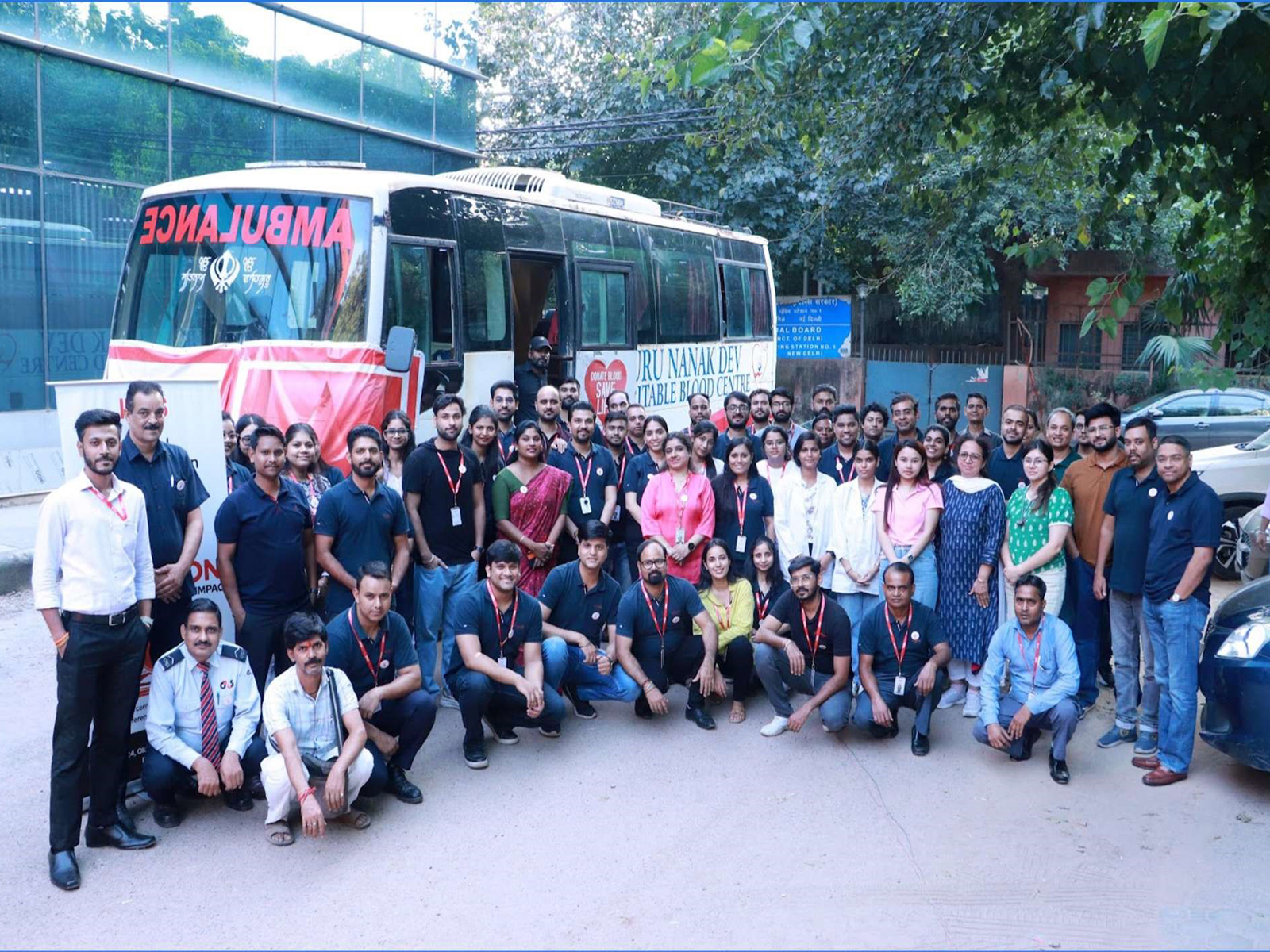
New Delhi [India], September 29: IPMS (Innovative Project Management Services Pvt. Ltd.), India’s leading CSR consulting firm, proudly marked its 17th Foundation Day with a purpose-led celebration of legacy and service. Staying true to our roots, IPMS organized its 10th Annual Blood Donation Camp in collaboration with Deen Dayal Upadhyay Hospital. The event took place at our headquarters in Okhla Phase III, New Delhi, and is organized annually on the eve of Foundation Day as a heartfelt tribute to the values that define our journey.
The Foundation Day celebration, themed “Building Bonds, Empowering Lives,” brought together employees, clients, partners, and stakeholders to reflect on IPMS’s 17-year legacy of driving sustainable development through strategic CSR. The blood donation camp, held under the banner “Be the reason someone breathes tomorrow – Donate Blood Today,” served as a powerful reminder of the organization’s enduring commitment to public health and community engagement.
Speaking on the occasion, Dr. Soumitro Chakraborty, CEO of IPMS, said, “This day is not just a celebration of our journey, but a reaffirmation of our values. Hosting the blood donation camp every year on the eve of our Foundation Day is symbolic of our belief that CSR must be rooted in action. With India facing a shortfall of nearly 1 million blood units annually, such initiatives are vital to saving lives and strengthening healthcare systems.”
This year’s camp addressed urgent health needs, especially in light of rising cases of Hepatitis B and C in neighboring Ghaziabad, and highlighted the importance of voluntary blood donation in combating diseases and supporting critical medical procedures. Volunteers from the IPMS family and the hospital team came together to contribute to this life-saving cause.
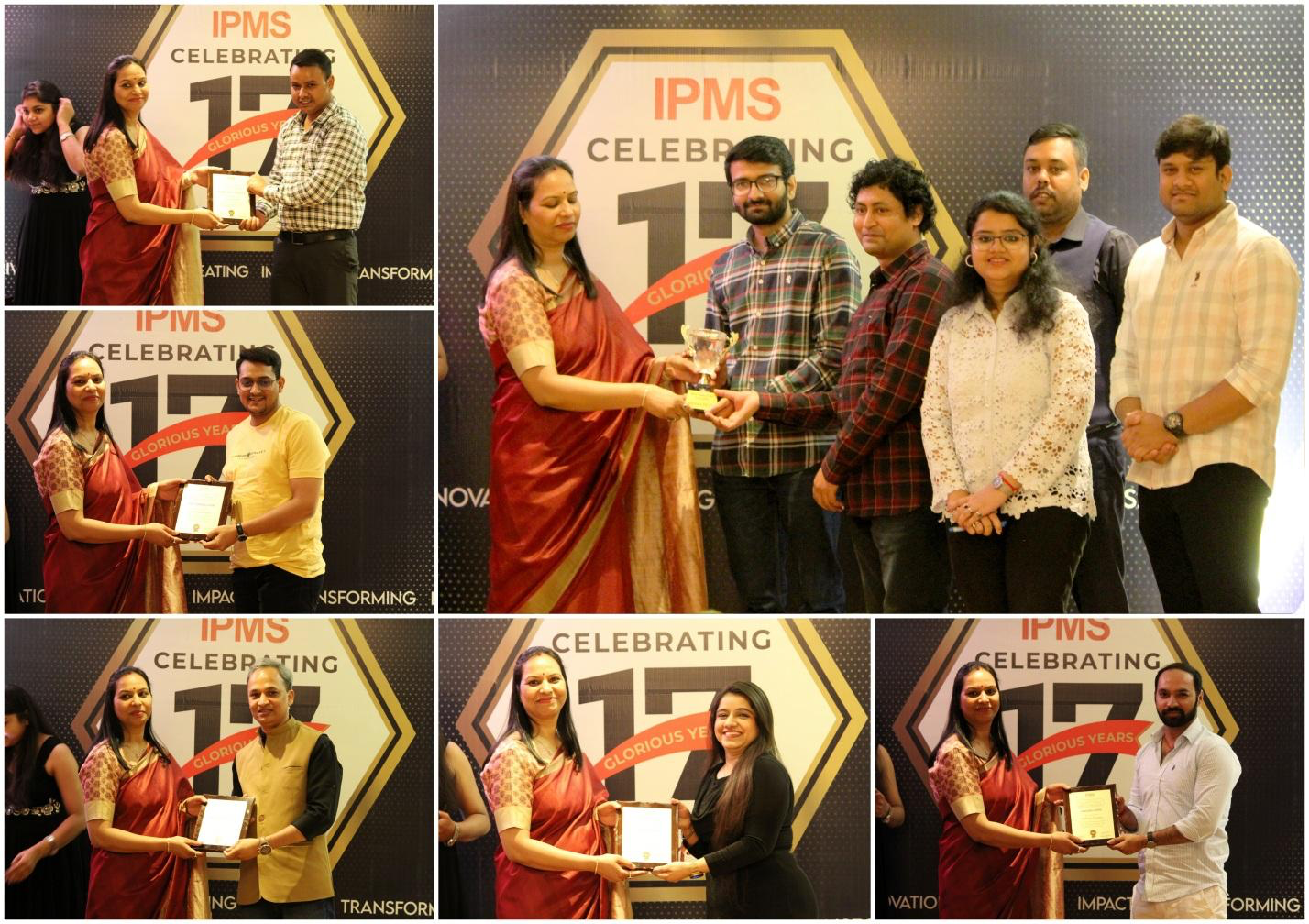
Mrs. Purnima Dubey, COO of IPMS, added, “Our Foundation Day is a moment to honor the collective effort of our team and partners. The blood donation camp exemplifies our approach where celebration meets compassion, and milestones are marked by meaningful impact.”
Over the past 17 years, IPMS has emerged as a trusted advisor in the CSR space, offering end-to-end services across healthcare, education, environment, livelihood, and WaSH. Through its partnerships with corporates and NGOs, the organization continues to scale initiatives that align with the UN Sustainable Development Goals (SDGs) and create measurable change.
As IPMS looks ahead, it remains committed to deepening its impact through innovation, collaboration, and socially responsible practices, ensuring that every celebration is also a step forward in building a healthier, more inclusive society.
For further details, please visit: www.fiinovation.co.in
Media Contact: Innovative Project Management Services Pvt. Ltd. (IPMS),
mail: Info@fiinovation.co.in
(ADVERTORIAL DISCLAIMER: The above press release has been provided by VMPL. ANI will not be responsible in any way for the content of the same)
(The article has been published through a syndicated feed. Except for the headline, the content has been published verbatim. Liability lies with original publisher.)